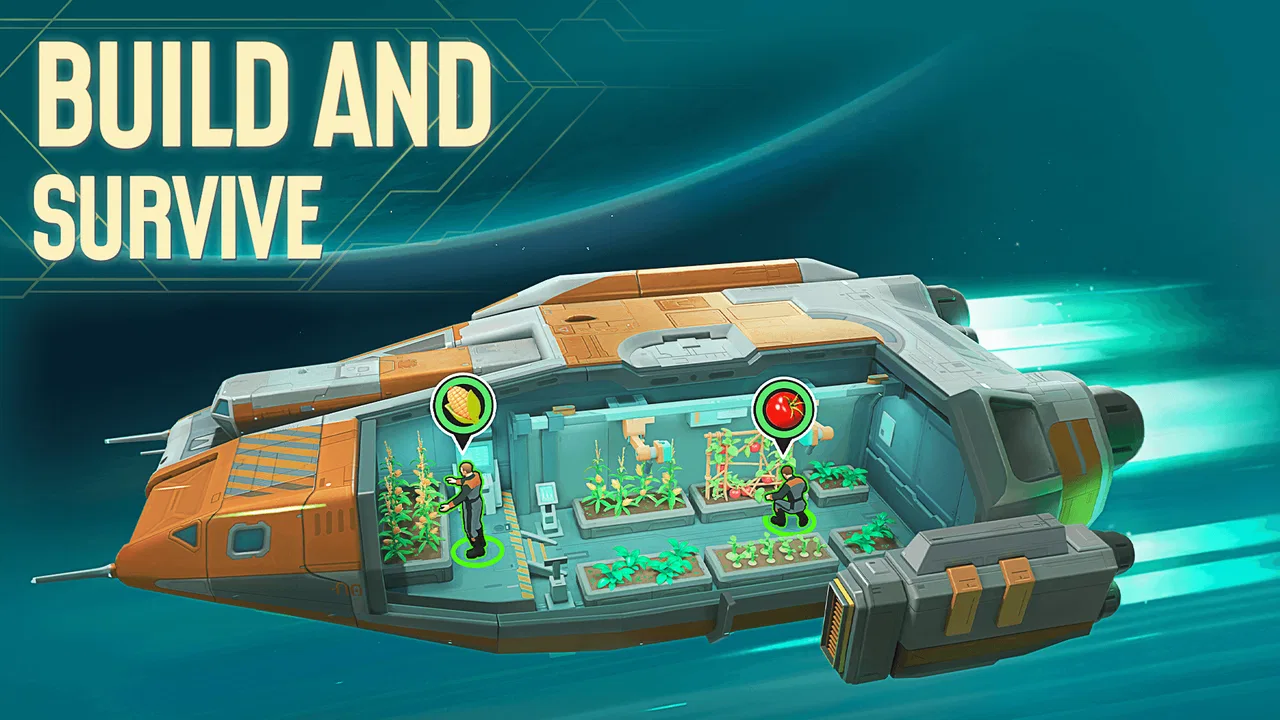
Foundation: Galactic Frontier
- 4.1
- Rating
- 1.00M
- Installs
- Free
- Price

 Analysis by App-foxy
I spent time with Foundation: Galactic Frontier as a mobile strategy game, and its biggest appeal is the feeling of having room to think. Rather than treating every session as a frantic race, it places me in a space-focused setting where planning, expansion, and long-term decisions are meant to carry the experience. That makes it a better fit for players who enjoy building a plan and adjusting it over time than for anyone looking for a quick arcade distraction.
The game comes from FunPlus International AG and is available free of charge, with optional purchases ranging from $0.99 to $99.99 per item. It is rated Teen, runs on Android 7.0 or later, and its current version is 1.0.88.201786. Those details matter because this is the kind of title that can become a regular part of a routine, not simply something I open once and forget.
Why its strategic space setting matters
The defining capability I noticed is the way the game turns a large galactic setting into a series of decisions. The space theme is not merely decoration around a standard board. It gives the strategy a sense of scale: every choice feels connected to a broader attempt to establish a position rather than win a single isolated encounter. I found that perspective useful because it encouraged me to think beyond the immediate reward.
You May Also Like

 Blood Strike: 2.5 Anniversary
Blood Strike’s Loadouts Turn Every Drop Into a Tactical Gamble
A close look at Blood Strike’s custom loadouts: how fast access to signature weapons reshapes its battle royale rhythm, rewards preparation, and narrows the gap between fights.

 Pandora - Music & Podcasts
Pandora’s Music Is Easy to Start, but Harder to Recover
Pandora’s strength is its low-effort path from a seed to a station. Its weak spot is how much confidence it asks you to place in connection, setup, and quiet recovery.

 8 Ball Pool
 Is Built on Rivalries, Rematches, and Routine
A close look at the rivalries, rematches, shared routines, and unanswered safety questions that turn a quick pool match into a persistent mobile community.

 Samsung Music
’s Quiet Strength Is Playing What You Already Own
Its reach comes less from spectacle than from dependable access to a personal library. That simplicity is both the app’s strongest retention engine and its ceiling.

 AccuWeather: Weather Radar
AccuWeather Review: A Quick, Clear Forecast for Everyday Decisions
For everyday plans, the best forecast is the one you can understand quickly. AccuWeather makes rain timing, radar, and local conditions easy to act on, with a few trade-offs.

 Hill Climb Racing
Why Hill Climb Racing Still Turns Crashes Into One More Run
A tiny car, a bumpy hill and one more upgrade: Hill Climb Racing keeps resurfacing because its simple chaos makes every near-miss feel personal.
More From Our News Desk



In many mobile strategy games, the first few minutes are dominated by obvious instructions. Tap the highlighted button, collect the next item, upgrade the suggested structure, and repeat. Foundation: Galactic Frontier still needs to guide new players into its systems, but the more interesting question is what I should prioritize once the initial direction becomes less obvious. That is where the galactic framework starts to earn its place.
I would describe the experience as a strategy game for players who like gradual progress and a continuing sense of purpose. It is not the same as a traditional board-game adaptation, where a match has a clear beginning and end. It also does not feel like a purely reflex-driven space shooter. The attraction is the developing position I create and the consequences of choosing one path over another.
That distinction is important when deciding whether to install it. If I want immediate action, a short campaign, or a game that can be understood completely in one sitting, this would not be my first recommendation. If I enjoy checking a developing plan, making a few meaningful decisions, and returning later to see how the situation has changed, the format is much more convincing.
Planning feels more important than tapping quickly
My most useful change in mindset was to stop treating every available action as equally urgent. A new player can easily spend attention on whatever is most visible, but a strategy game rewards looking at the relationship between present progress and future options. I found it better to pause before committing resources, especially when an upgrade or expansion could affect what I wanted to do next.
This is one of the less obvious strengths of the title. The space setting makes patience feel natural. I was not simply trying to clear a screen; I was trying to shape a position. That gave routine actions more context and made the game easier to return to after a break.
There is also a useful difference between playing for a few minutes and playing with a longer session in mind. A short visit works well for checking progress and deciding on the next step. A longer session is more satisfying when I already have a goal, such as improving a weak area or preparing for a larger move. Without that goal, the amount of activity can feel less focused.
How the strategic loop works in practice
In practice, I approached each session in three stages. First, I checked what had changed since my previous visit. Then I identified the bottleneck holding back the plan I cared about. Finally, I spent time on the action that addressed that bottleneck instead of automatically selecting every available option. This simple routine made the game feel more deliberate and reduced the sense of wandering through menus.
That workflow is especially helpful on a phone. Mobile games compete with notifications, short breaks, and interruptions, so a player needs a way to regain context quickly. Foundation: Galactic Frontier benefits from entering a session with one question in mind: what is the next decision that actually improves my position? I found that question more useful than trying to complete everything at once.
For example, if I opened the game during a lunch break, I would not attempt to reorganize my entire approach. I would review the current state, choose a single priority, and leave with a clear next step. Later, when I had more time, I could make a broader adjustment. That made the game fit naturally into an ordinary day instead of demanding that every visit become a long commitment.
The same approach also helps with the optional purchase model. Because items can cost from $0.99 to $99.99, I would not make a purchase simply because the game presents one at a convenient moment. I prefer to decide whether an item supports a plan I already have. If I cannot explain what the purchase changes in my current strategy, I skip it. That keeps the free starting point meaningful and prevents impulse spending from becoming the default way to play.
A practical routine for new players
Begin by learning what each major screen is asking you to manage rather than rushing through every prompt.
Choose one near-term objective and avoid dividing attention across too many upgrades or expansion ideas.
Before spending anything, ask whether the action removes a real obstacle or merely produces a visible but temporary improvement.
End a session after setting up the next decision, so returning later does not feel like starting from zero.
This routine is not a secret shortcut, but it is a meaningful improvement over tapping through the most obvious choices. It also reveals whether the game suits a player. If making a plan feels rewarding, the wider setting has room to grow on you. If the planning itself feels like work, the title may become a chore quickly.
I also recommend playing with a little patience during the opening period. Strategy games often seem simpler than they are because early actions have generous guidance. The real test comes when several reasonable choices compete for attention. Rather than judging the entire experience by the first few minutes, I would give it enough time to show whether its decisions become more interesting as the galactic situation develops.
The best everyday scenario for playing
The strongest use case for me was the in-between moment: waiting for an appointment, taking a break, or sitting at home with enough time for a few thoughtful decisions but not enough time to start a full console-style session. The game’s broad setting gives those short visits a sense of continuity. I can make progress without needing to finish a complete match or story chapter before putting the phone down.
Imagine opening it after work while waiting for dinner. I would check the current state, identify the most important limitation, and decide whether to improve the existing position or prepare for a larger move. That is more satisfying than simply collecting a reward because it gives the short session a purpose. When I return later, I already know what I wanted to accomplish.
This also makes the game suitable for players who enjoy maintaining a project. Some people like games that feel like a place they revisit, with decisions that accumulate gradually. Foundation: Galactic Frontier serves that preference better than a sequence of disposable rounds. The galactic theme reinforces the idea that progress is part of a continuing journey rather than a reset after every attempt.
However, I would not recommend it as the ideal choice for children or for anyone seeking a completely casual experience, partly because its Teen content rating sets a different expectation. I would also be cautious about handing it to a player who dislikes optional purchases in free-to-play games. Even when I chose not to buy anything, the presence of purchasable items remained part of the surrounding experience.
For someone who plays mostly offline or wants a self-contained premium game, a paid strategy title may be a better alternative. That kind of game usually offers a clearer endpoint and fewer reasons to think about ongoing progression. Foundation: Galactic Frontier makes more sense for someone who is comfortable with a continuing mobile game and wants a free entry point before deciding how much time to invest.
Where the tradeoffs become noticeable
The main tradeoff is between accessibility and depth. A mobile strategy game needs to make its systems approachable, but a player who wants a very transparent, fully controlled simulation may find the experience less satisfying than a complex desktop strategy game. I enjoyed having a manageable number of decisions on a phone, yet I also noticed that this convenience can make the game feel less demanding than specialist strategy alternatives.
There is a second tradeoff involving time. The game works well when I treat progress as something gradual, but that can be frustrating if I want immediate results. A large galactic ambition is appealing in concept; in practice, it means the payoff may depend on returning repeatedly and making steady choices. Players who prefer a compact campaign with a final victory condition should look elsewhere.
The free price is another mixed point. It lowers the barrier to trying the game, which I appreciate, and the 1M+ installs show that it has reached a substantial mobile audience. Its average rating is 4.2 from around 29K ratings, with 983 reviews, so there is clear interest from other players. Still, popularity does not remove the need to decide whether the ongoing format matches personal habits.
I also think the purchase range deserves a calm approach. A $0.99 item and a $99.99 item represent very different spending decisions, even though both appear under the same general model. I would set a personal limit before playing, rather than waiting until I feel blocked or impatient. That is particularly important in a game built around gradual progress, where convenience can be tempting precisely when I want to move faster.
Compared with a conventional turn-based strategy game, this title feels more continuous and easier to fit into spare moments. Compared with a large real-time strategy game, it is more approachable on a phone but less likely to deliver the same level of detailed control. Compared with a straightforward space action game, it asks me to think about direction and development instead of relying mainly on reactions. Those differences make the choice fairly clear: the best alternative depends on whether I value continuity, depth, or immediate action most.
What I would watch before committing
I would pay attention to how I feel after several short sessions. Am I making decisions because they are interesting, or only because the interface presents another task? That distinction tells me more than the space visuals. If I am curious about the next strategic problem, the game is working. If I am merely clearing prompts, I would probably switch to something with a stronger immediate payoff.
I would also consider device age. The minimum requirement of Android 7.0 keeps the entry point broad, but compatibility alone does not guarantee that every older phone will feel equally comfortable during longer sessions. Anyone using an older device should try the free version first and judge responsiveness, readability, and battery comfort personally before spending money.
Another practical question is whether I want a game that can occupy weeks or months. The continuing structure is an advantage for a regular player, but it can be a disadvantage for someone who tends to abandon long-term projects. In that case, a self-contained strategy game with a defined campaign may deliver more satisfaction for the same amount of attention.
Who gets the most from this galactic strategy game
I think the best audience is an adult or older teen who enjoys space fiction, gradual development, and decisions that remain meaningful after a short break. The Teen rating is worth keeping in mind, and the game’s ongoing format suits people who like returning to one evolving experience rather than rotating through unrelated apps.
It is also a good fit for players who are new to mobile strategy but do not want something completely shallow. The setting gives beginners a reason to care about progress, while the manageable session style makes it less intimidating than a large computer strategy game. My advice would be to play without spending at first, establish a routine, and only consider an optional item when its value is clear within the plan I am following.
Experienced strategy players may enjoy it as a lighter companion game, especially when they want something more involved than a puzzle but less demanding than a full-scale simulation. They should keep expectations realistic, though. The appeal is not unlimited complexity; it is the combination of a persistent galactic setting and mobile-friendly decision making.
I would skip it if I dislike free-to-play economies, need a complete game with a definite ending, or want constant action from the first second. I would also skip it if I find long-term planning tiring rather than rewarding. No amount of attractive space presentation can fix a mismatch with the core rhythm.
For me, the most convincing part is the way the galactic scale changes how I use short sessions. I am not just filling spare time; I am checking a developing plan and deciding what deserves attention next. That capability gives the game a clearer identity than a generic collection of upgrades. It is not perfect, and the ongoing purchase model requires discipline, but the free entry point makes it easy to test whether its slower strategic rhythm works for you.
My recommendation is to try Foundation: Galactic Frontier when you want a continuing space strategy experience rather than a quick one-off game. Give it a few focused sessions, use a single priority at a time, and judge it by the quality of the decisions it creates—not by how quickly it fills the screen with activity. For the right player, that patience is exactly what makes the journey worthwhile.
FAQs for Foundation: Galactic Frontier
01What is Foundation: Galactic Frontier about?
Foundation: Galactic Frontier is a strategy-based game that immerses players in a futuristic universe where they can build and expand their own space empire. Players manage resources, explore new territories, and engage in tactical battles. The game emphasizes strategic planning and decision-making to ensure the growth and survival of your galactic foundation.
02What platforms is Foundation: Galactic Frontier available on?
Foundation: Galactic Frontier is available on both Android and iOS platforms. Players can download the game from the Google Play Store for Android devices and the Apple App Store for iOS devices. Ensure your device meets the minimum system requirements for optimal performance.
03Are there in-app purchases in Foundation: Galactic Frontier?
Yes, Foundation: Galactic Frontier offers in-app purchases. These purchases allow players to acquire additional resources, exclusive items, or premium content that can enhance gameplay. While the game is free to download, these purchases can provide advantages, though they are not necessary to enjoy the core experience.
04Is an internet connection required to play Foundation: Galactic Frontier?
An internet connection is required for certain features of Foundation: Galactic Frontier, such as participating in online events, updating the game, and accessing multiplayer modes. However, some elements of the game can be played offline, allowing players to enjoy the game without a constant connection.
05How does Foundation: Galactic Frontier handle user data and privacy?
Foundation: Galactic Frontier takes user privacy seriously and adheres to stringent data protection policies. The game collects only necessary data to enhance gameplay experience and comply with legal requirements. Users can review the privacy policy within the app to understand how their data is used, stored, and protected.
Pros
- Engaging storyline with immersive universe.
- Smooth graphics enhance gameplay experience.
- Variety of missions keeps it exciting.
- User-friendly interface for easy navigation.
- Frequent updates with new content.
Cons
- Requires a stable internet connection.
- High battery consumption during play.
- In-app purchases can be expensive.
- Limited offline functionality.
- Occasional lag on older devices.

Foundation: Galactic Frontier
Gallery